You Don’t Have a Traffic Problem — You Have a Conversion Problem (Fix This First)
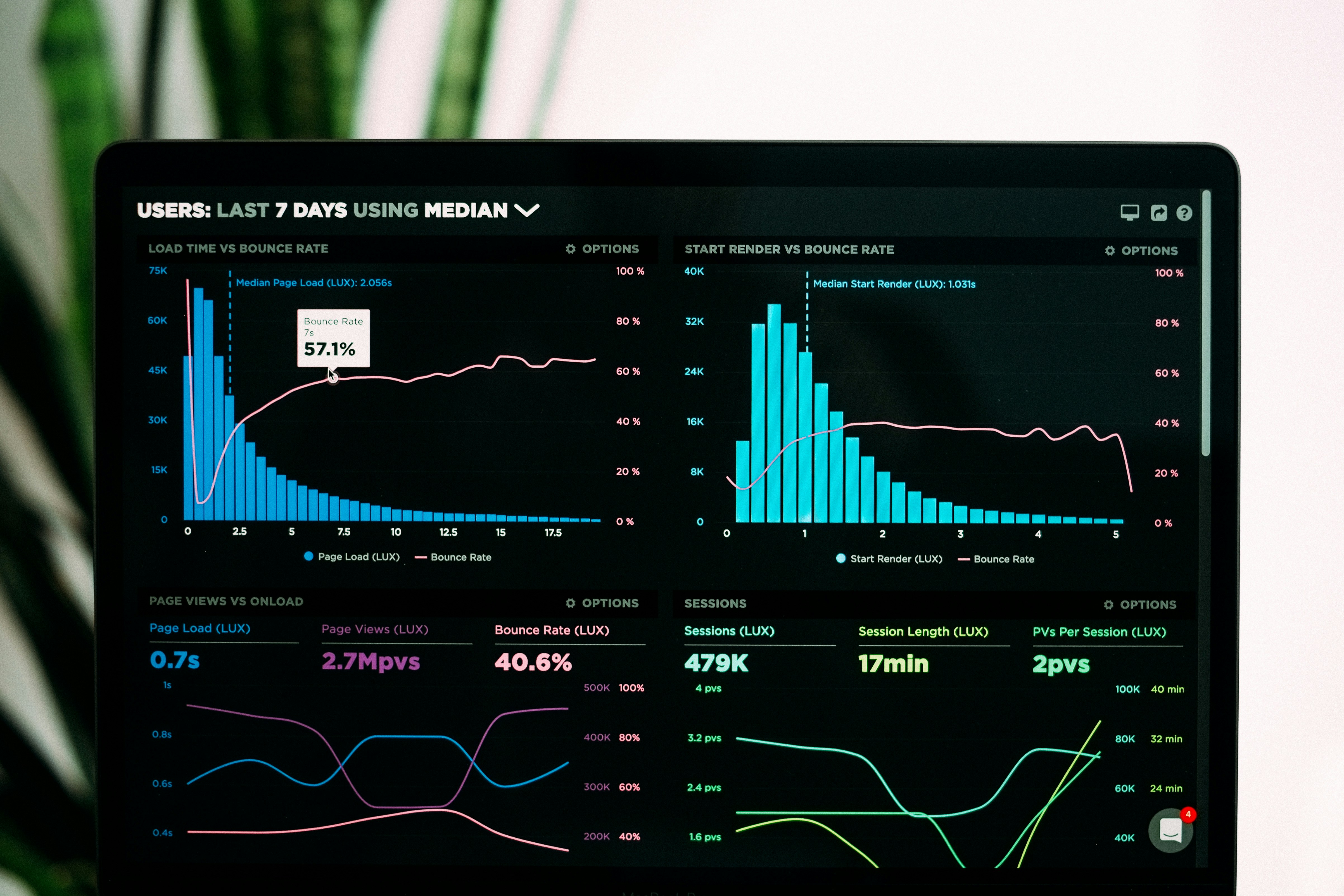
If your website gets traffic but no leads, you are not alone, and more importantly, you are not dealing with a simple visibility issue — you are facing a deeper conversion problem that most business owners fail to identify even after months or years of effort. Every single day, thousands of websites receive visitors who arrive with curiosity, intent, and sometimes even a strong desire to take action, yet they leave without clicking, without messaging, and without converting into real clients. This silent failure creates confusion because it feels like something is working, but the results never follow. According to widely discussed insights from digital marketing experts like Neil Patel, traffic alone has very little meaning unless it is supported by a strong conversion system that guides user behavior intentionally. The truth is deeper than most people realize — traffic brings attention, but conversion creates revenue, and without conversion, your website remains nothing more than a digital brochure floating in an overcrowded online space where attention is temporary and decisions happen instantly.
← Back to Homepage Request Demo Before PaymentWhy Your Website Gets Traffic But No Leads

One of the most dangerous misconceptions in digital growth is believing that increasing traffic will automatically increase conversions, but in reality, these two things operate on completely different principles. A website can attract visitors through SEO, social media, or paid campaigns, yet still fail to generate inquiries because the core structure of the website is not designed to guide decision-making. When a visitor lands on your website, they subconsciously evaluate multiple factors within seconds — relevance, trust, clarity, and direction. If any of these elements are missing, hesitation builds immediately. Research and case studies shared across platforms like Forbes and Harvard Business Review consistently highlight that user experience and clarity directly influence business outcomes. If your website forces users to think too much, scroll too much, or guess what to do next, they leave. Not because they are not interested, but because your system failed to guide them toward a clear action. This is exactly why many business websites get traffic but no inquiries — the problem is not visibility, it is direction and psychological flow.
Modern users do not behave like readers; they behave like decision-makers under time pressure. They scan, evaluate, and act quickly. If your website does not instantly communicate value and provide a clear next step, the visitor simply exits and moves on to another option. This pattern repeats across industries, making conversion optimization one of the most critical yet ignored aspects of digital growth.
What Most Businesses Get Completely Wrong

Most businesses unknowingly invest their time and resources into the wrong priorities when building a website. They focus heavily on visual appeal, color schemes, animations, and modern layouts, believing that an attractive design will automatically lead to better results. While aesthetics do play a role in first impressions, they are not the driving force behind conversions. A visually impressive website that fails to convert visitors is still ineffective from a business perspective. The real power lies in how your website is structured and how it influences user decisions. Industry leaders and marketing platforms like HubSpot often emphasize that user flow and messaging clarity have a far greater impact on performance than design alone. Your website must act like a guided system where every section has a purpose, every headline communicates value instantly, and every interaction moves the visitor closer to taking action.
If your business website is not getting customers despite having traffic, the issue is not competition, pricing, or demand. The issue lies in communication and experience. Your website is not helping users make decisions. Instead, it is presenting information passively, expecting users to figure things out on their own. In today’s fast-paced digital environment, that approach simply does not work anymore.
How to Fix Website Conversion Problem Without Ads
The solution to this problem is not more marketing, more traffic, or more spending. It is about fixing the system itself. To increase website conversion rate without ads, you need to redesign your website with intent and clarity at the core. This means simplifying your message, removing unnecessary distractions, and focusing entirely on the user’s problem rather than your features. Platforms like Moz and Backlinko often highlight the importance of user intent and content alignment in driving meaningful results. When your website aligns with what the visitor is actually looking for, conversion becomes a natural outcome rather than a forced action.
A strong conversion system works silently but effectively. It answers questions before they are asked, builds trust without overwhelming the user, and removes hesitation at every step. Instead of pushing users aggressively, it guides them naturally toward taking action. This transformation is what turns an average website into a high-performing business asset. When done correctly, even small amounts of traffic can generate consistent leads and clients because the system itself is optimized for decision-making.
Explore More Powerful Insights
Tell Us Your Problem — Get a Real Solution
Email: sumansingharoy403@gmail.com
Share Your Experience
FAQ
Why does my website get traffic but no leads?
Because your website is not optimized for conversion and decision-making.
How can I fix my website conversion problem?
By improving clarity, structure, and user flow.
Do I need more traffic?
Not until your website converts properly.
Recommended Resources for Better Website Conversion
If you are serious about fixing your website conversion problem and turning traffic into real clients, exploring deeper strategies and proven systems is essential. These carefully selected resources will help you understand how modern websites generate leads, why most businesses fail online, and how you can build a system that actually works instead of just existing.
- Read Business Growth & Conversion Insights on Medium
- Professional Website Conversion Strategies on LinkedIn
- Real Questions & Answers About Website Conversion Problems
- Visit Our Main Website for Conversion-Focused Development
These platforms are widely trusted and frequently visited by professionals searching for real solutions. By learning from multiple sources and applying the right strategy, you can transform your website from a passive page into a powerful client-generating system.